The Meeting Centre Model

The Meeting Centre Model: A Compassionate Approach to Community Dementia Support
Introduction
Dementia is a complex and challenging condition that affects millions of individuals worldwide. As the prevalence of dementia continues to rise, innovative approaches are needed to provide comprehensive support for those living with this condition and their families. One such approach gaining recognition is the Meeting Centre model. In this blog post, we delve into the essence of Meeting Centres, their evidence-based foundation, and the transformative impact they can have on the lives of people affected by dementia.
What Are Meeting Centres?
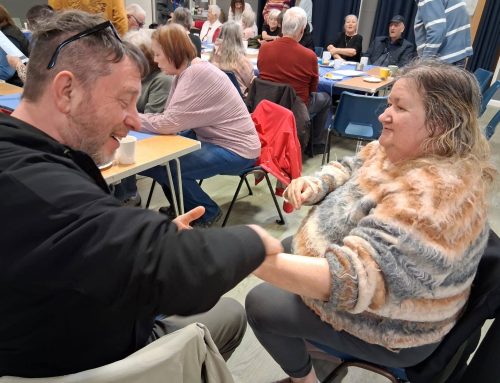
Meeting Centres are local resources operating out of ordinary community buildings. Their mission is clear: to offer ongoing, warm, and friendly expert support to individuals with mild to moderate dementia and their families. At the heart of each Meeting Centre lies a social club, where people come together to have fun, engage in conversations, and receive personalised assistance tailored to their unique needs1.
The 11 Essential Features

Dementia Meeting Centres, while adaptable to local needs, share 11 key features that contribute to their success:
- On-going regular Meeting Centre Club: The Meeting Centre club meets regularly at a fixed time for at least one day (min 5hrs) and is attended by around 15 members most days, plus family carers who wish to attend.
- We are in this together: Everyone experiences a warm and inclusive atmosphere at the Meeting Centre and there are processes in place (such as regular discussions and feedback) to ensure this is the case for members, families and friends
- Adjusting to Change: The Meeting Centre is a place that promotes practical, emotional and social adjustments for members (people with dementia) and family carers. There are processes in place for this to be promoted and monitored for all members over time.
- Skilled and stable team plus volunteers: There is an identifiable skilled and stable team which is fully conversant with the Meeting Centre ethos and is known and valued by the Meeting Centre members.
- Meeting Centre Leadership: There is a named person who has an in-depth understanding of the Meeting Centre approach and is able to lead the team to deliver the Meeting Centre Support Programme in an enjoyable manner with due regard for safety and well-being of all concerned.
- Focusses on both members living with dementia and family carers: The Meeting Centre meets the needs of the members and family carers in a safe and enjoyable manner. Both people with dementia and family carers feel actively supported by the Meeting Centre and to be able to attend.
- Programme of Activities: The programme reflects the interests and utilises the talents of those attending. Mechanisms are in place (regular centre meetings, discussions and feedback opportunities) to ensure this is the case. The programme includes a range of evidence based physical, cognitive, (re)creative and social activities that occur within the Meeting Centre and in the wider community.
- Location: Members feel comfortable about attending a Meeting Centre at the location where it meets. The location provides adequate facilities in which to run the programme.
- Community Engagement: The Meeting Centre includes a variety of community stakeholders in positively contributing to the planning and the delivery of the Meeting Centre Programme.
- Meeting Centres Community of Learning and Practice: The Meeting Centre is open to receiving visits and information sharing, share examples of good practice and attends updates and networking events.
- UK Meeting Centres Data Collection: The Meeting Centre provides the minimum data set as required by the Association for Dementia Studies at the University of Worcester.
The Way Forward
As we continue to expand Meeting Centres across Scotland and beyond, we remain committed to evidence-based practice, person-centred care, and community integration. By investing in Meeting Centres, we create a more compassionate and supportive society—one where dementia is met with understanding, warmth, and resilience.
Join us in championing the Meeting Centre model. Together, we can transform the dementia landscape, one social club at a time.
For more information and resources, visit the University of Worcester’s Meeting Centres page.