Leisure, Human Rights and Everyday Life with Dementia
A guest post by Dr Chris Russell from the Association of Dementia Studies at Worcester University
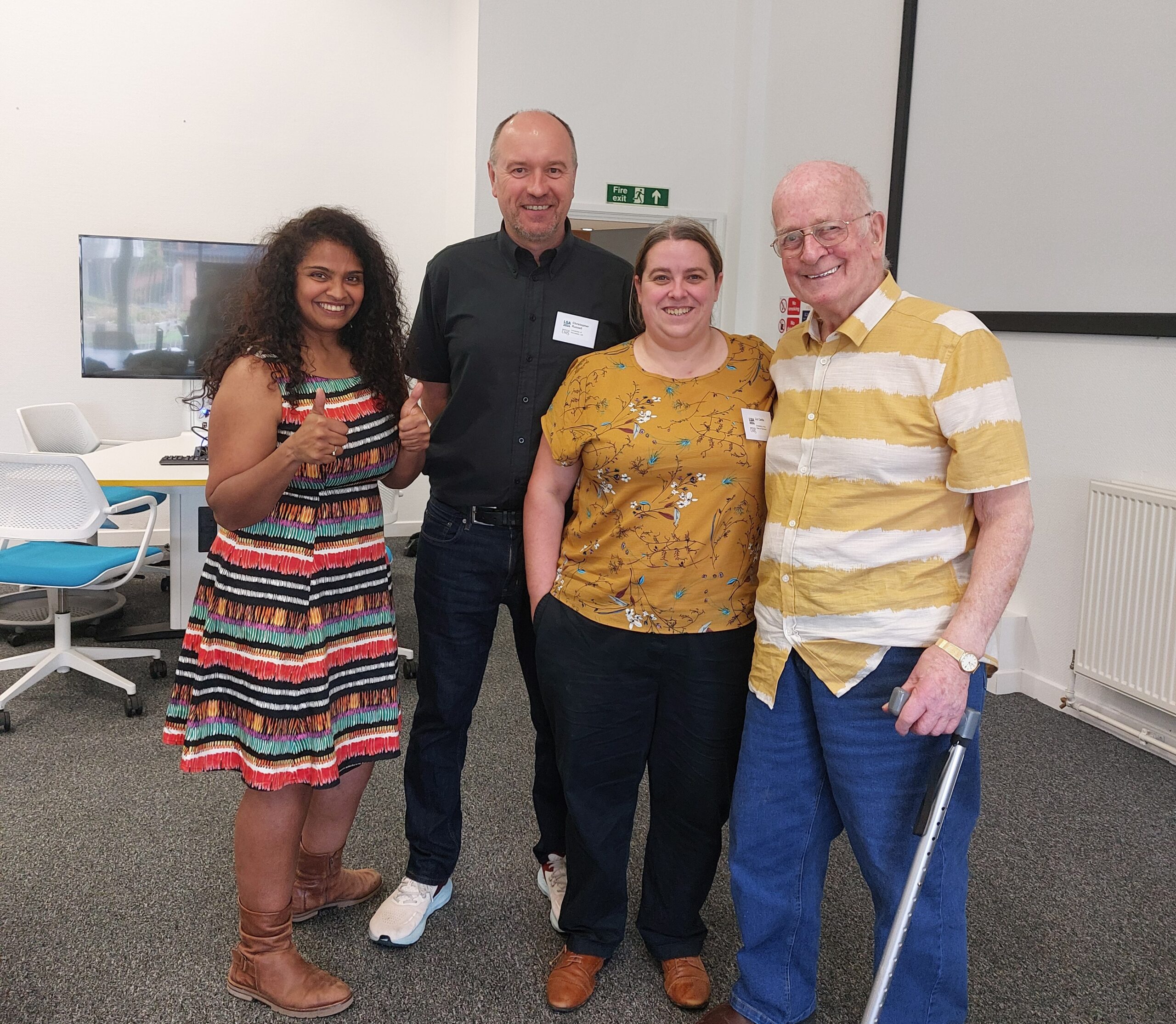
On 10th July I had the pleasure of visiting Paisley to help facilitate a workshop at the annual
conference of the Leisure Studies Association. I was working alongside Billy and Pasna, from the
Weekday Wow Meeting Centre in Govan, and Dr Liz Carlin, a colleague from the University of the
West of Scotland, where the conference was held.
Visiting Paisley was good, not least because I like the music of Gerry Rafferty and even admit to a
sneaky soft spot for St Mirren Football Club. After the day at the conference we were treated to an
event in the Abbey. To get a stronger sense of the history of the town there was great.
But the workshop was the main event! Let me tell you about that.
The Leisure Studies Association brings people together from across the
world to consider leisure in all its forms, what it means for individuals and communities, and how it
can contribute to everyday life. It is a well-established, well-regarded association, and the
conference was energetic and enthusiastic.
Over several years I have been introducing the topic of dementia to that forum, mainly by giving
presentations on research completed. This year was different though, because the workshop format
enabled the audience to hear the lived experience of dementia directly. Billy lives with dementia and
is a member of the Weekday Wow Meeting Centre. Because of his lived experience he was ideally
placed to contribute to the workshop, entitled, ‘Leisure, Human Rights and Everyday Life with
Dementia’.
The audience members were not dementia specialists, but they are influential in a field invaluable to
all of our lives – leisure (the things that fascinate us and that we enjoy doing). Several had attended
because of their own familial experience of dementia, which added poignancy and vitality to the
event.
So, what did Billy, Pasna, Liz, myself and the audience conclude as a result of learning, coproduced
through a combination of conversation and presentation?
That many leisure activities give opportunity for company and cognitive stimulation in
combination (think of time spent playing cards with friends, for example).
The emphasis should not be upon leisure as therapy in the dementia context, unless that is
what the person wishes and needs. What people want to do, how people want to spend
their time matters more. Leisure is a right, after all, granted under article 30 of the United
Nations Convention on the Rights of Persons with Disabilities.
People living with dementia can teach others new skills through leisure. One person talked
about learning sewing in such a way, for example. Similarly, people living with dementia can
learn new leisure skills, with art offered as an example.
Technology and physical places that hold significance can enable good leisure experiences
for people living with dementia. Billy recounted the value his kindle offers for reading, for
example, whilst Liz described the work done by Football Memories at Hampden Park.
An additional positive of the workshop was the fabulous opportunity it provided for co-working
between Meeting Centres Scotland and the University of Worcester, who have a long established
and vibrant working relationship. So, to have the chance to strengthen and progress that was most
satisfactory. Add in involvement from the University of the West of Scotland, the Leisure Studies
Association, and the range of organisations from which the audience was drawn, and the effect was
something akin to the textile powerhouse Paisley previously offered the world.
I am most grateful to have had the opportunity to work alongside Billy, Pasna and Liz and to help
convene this workshop as part of the Leisure Studies Association annual conference.
Dr Chris Russell